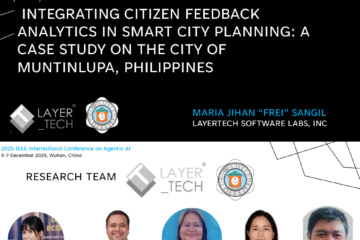
Layertech and Bicol University Present Differential Privacy Research at Global ICT Conference
Bangkok, Thailand — April 9, 2026
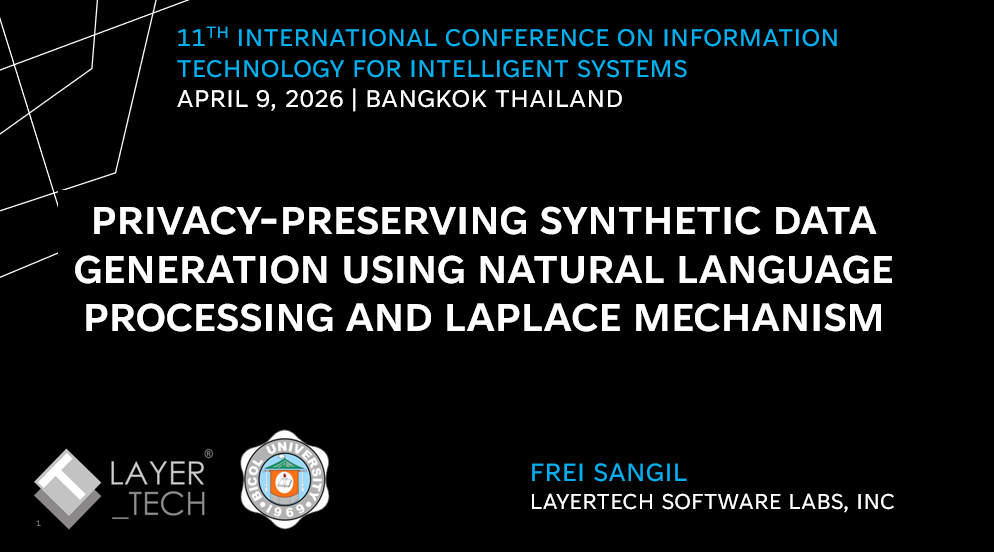
Researchers from Layertech Labs and Bicol University took the stage at the 11th International Conference on Information and Communications Technology for Intelligent Systems to present new findings on differential privacy, highlighting its growing importance in an increasingly data-driven world.
Held in Bangkok, the conference gathered leading academics, industry experts, and policymakers to discuss cutting-edge developments in intelligent systems and information technology. Among the presentations was the joint study from Layertech Labs and Bicol University, authored by Data Scientist Frei Sangil, and co-authors Engr. JR Barajas and Ramnick Lim, that explored how differential privacy techniques can enhance data protection without sacrificing analytical value. The data used are from the CloudCT Project (www.CLOUDCT.tech), which strengthened the study’s practical applicability, especially in developing contexts.
The research demonstrated that applying differential privacy introduces a significantly stronger layer of privacy protection to datasets. Crucially, the team showed that this added security does not compromise the statistical integrity of the data—an issue that has long challenged organizations seeking to balance privacy with usability.
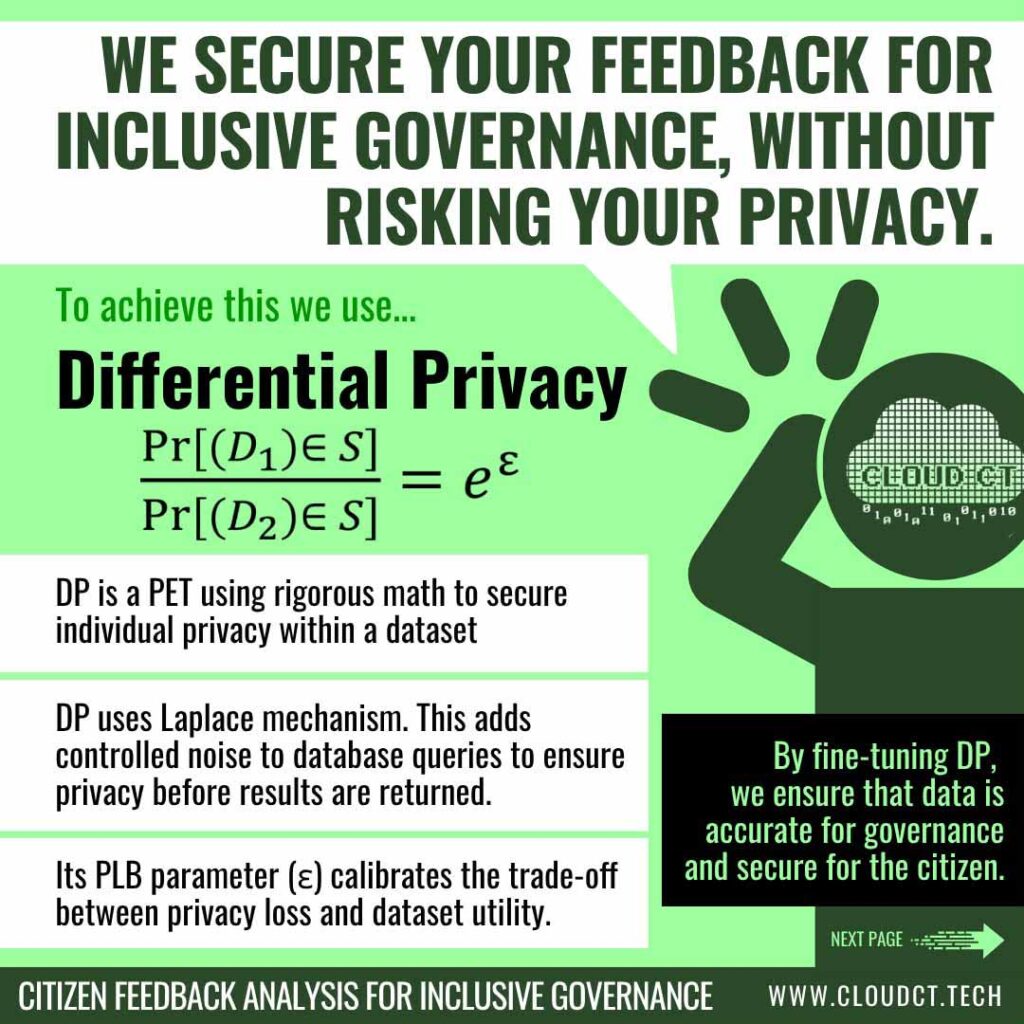
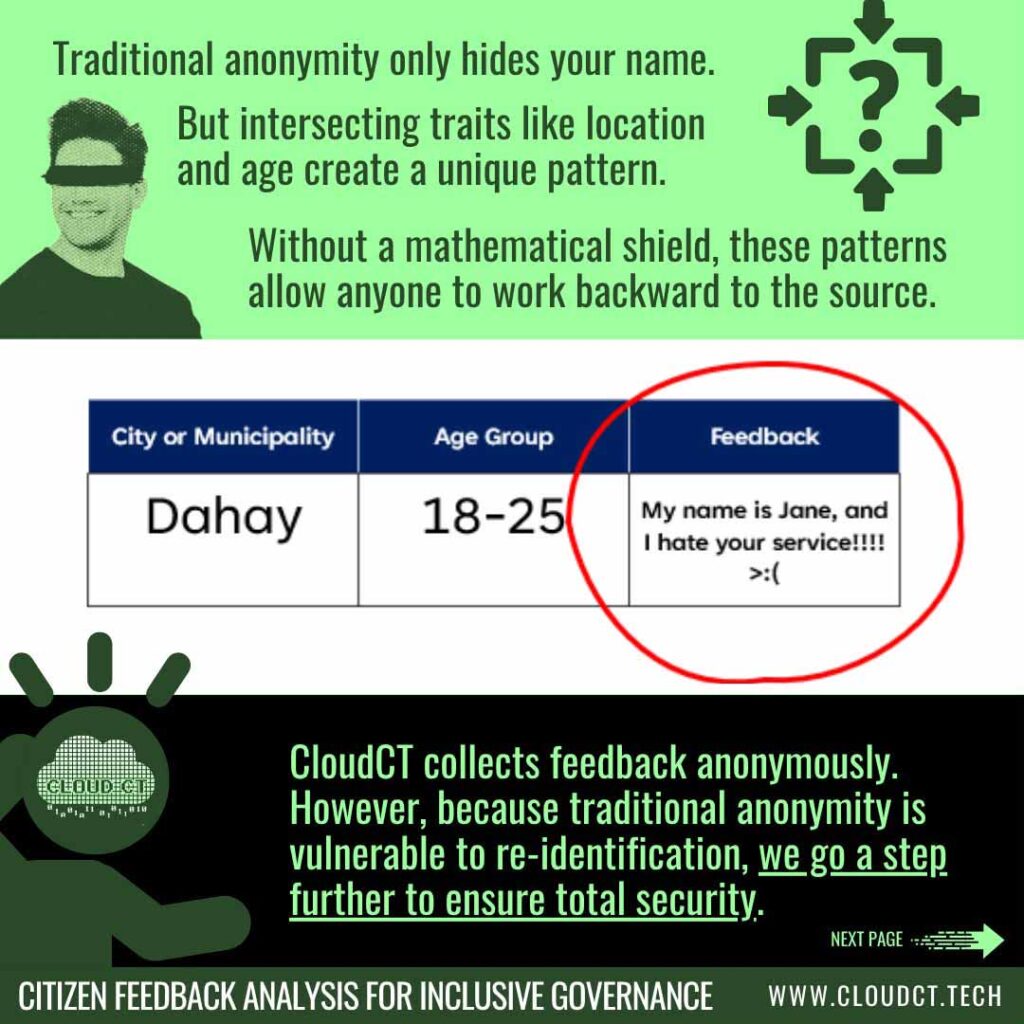
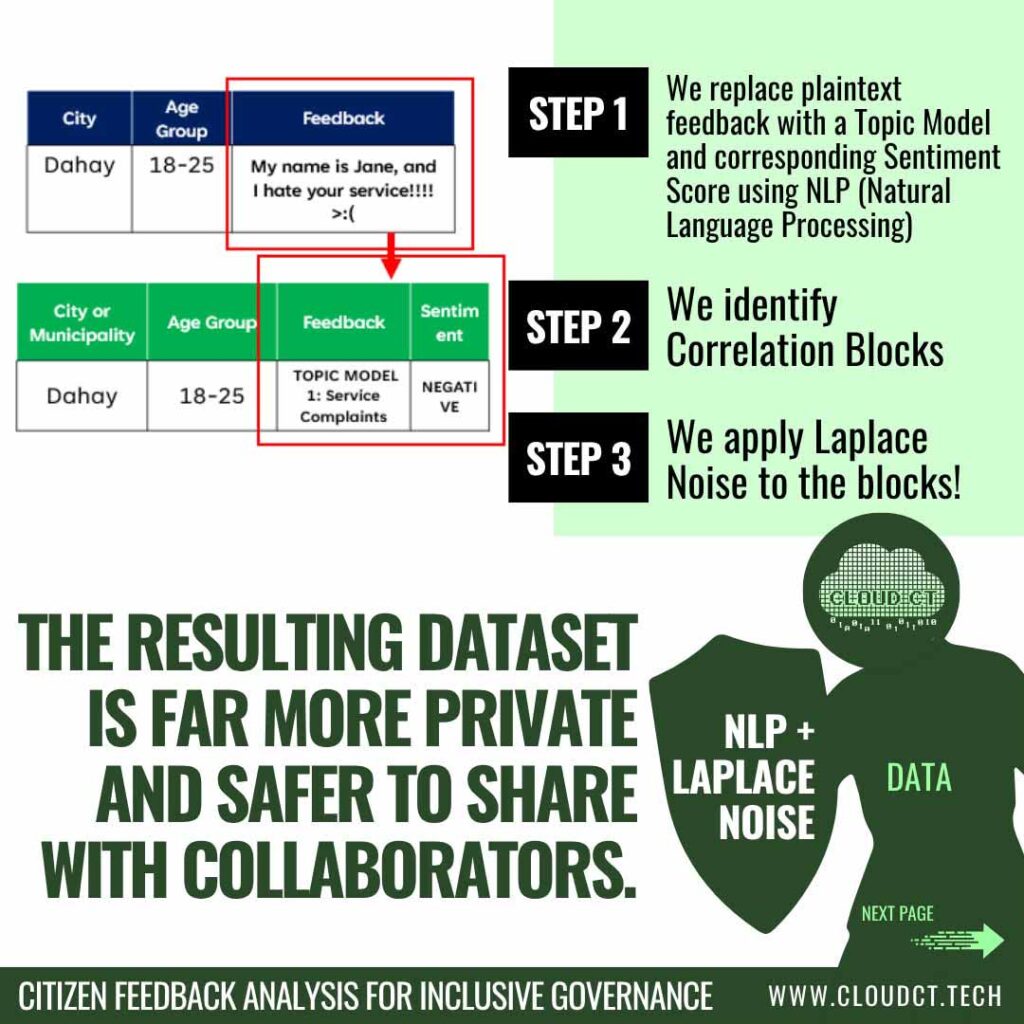
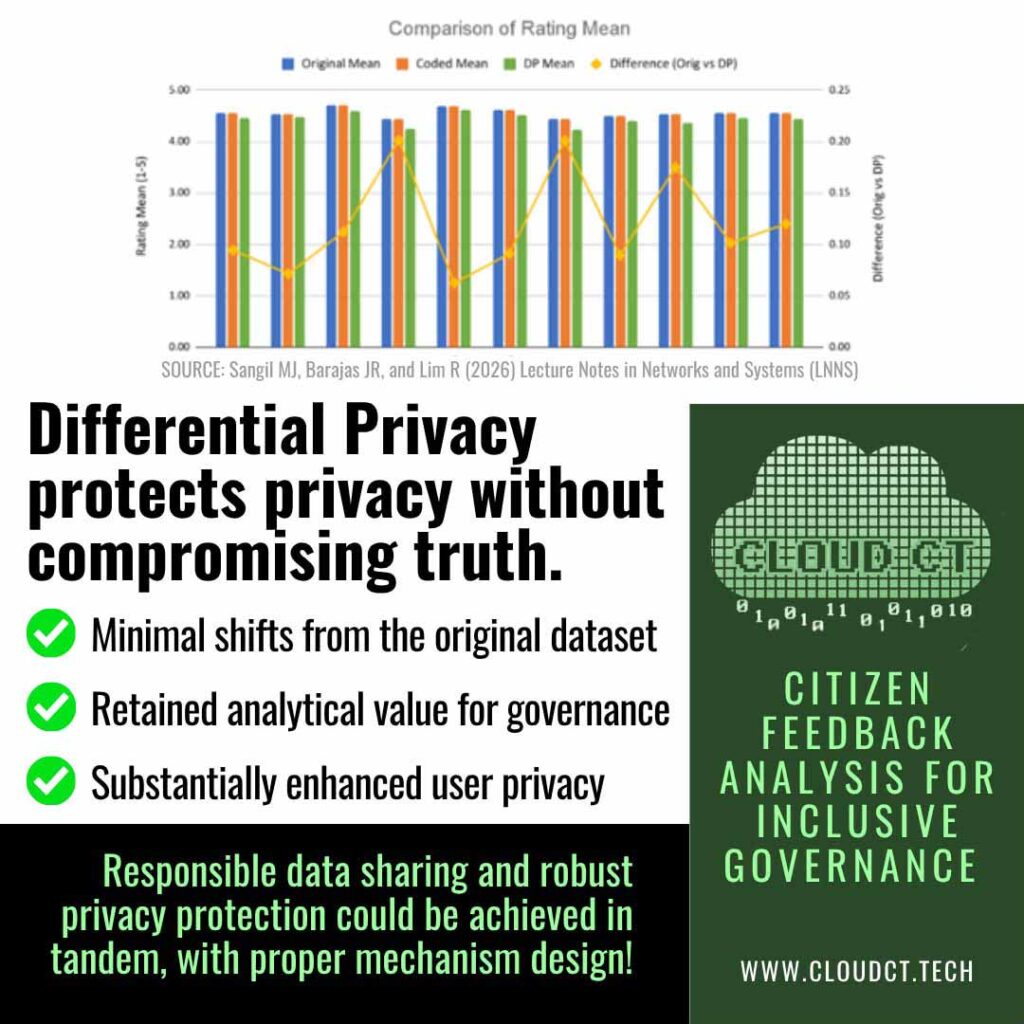
Differential privacy works by introducing carefully calibrated noise into datasets, making it difficult to identify individual data points while still preserving overall patterns and insights. According to the presenters, their findings reinforce the method’s viability for real-world applications, particularly in sectors handling sensitive information such as healthcare, finance, and public policy.
“In the age of data and AI, maintaining trust is critical,” the team noted during their session. “Differential privacy offers a practical pathway to ensure transparency and enable data-driven innovation without exposing individuals to risk.”
The implications of the study extend beyond academia. As governments and companies worldwide face increasing scrutiny over data handling practices, solutions that safeguard privacy while enabling robust analysis are becoming essential. The researchers emphasized that differential privacy could serve as a foundational tool for responsible data governance in AI systems.
The presentation was met with strong interest from conference attendees, sparking discussions on how this can be used to protect data being fed into AI systems, and other opportunities for scaling the approach across industries.
As the global community continues to navigate the complexities of big data, the work presented by Layertech Labs and Bicol University signals a promising step toward reconciling two often competing priorities: extracting value from data while preserving the privacy of individuals.
SOURCE: M. J. Sangil, J. R. Barajas, & R. Lim. (2026). Privacy-preserving synthetic data generation using natural language processing and Laplace mechanism. In Springer Lecture Notes in Networks and Systems. Springer.